

Free Delivery
Free delivery on all orders to Mainland UK. Cost price for the rest of the world
Payment Options
We accept all major debit & credit cards, PayPal or Klarna
100% Satisfaction
14 day money back guarantee. Your satisfaction is so important to us.
Customer Support
Your purchase is only the beginning of our customer support commitment
Mobility Products
Thousands of products to choose from


Latest Guides
Need some help to understand all the jargon!
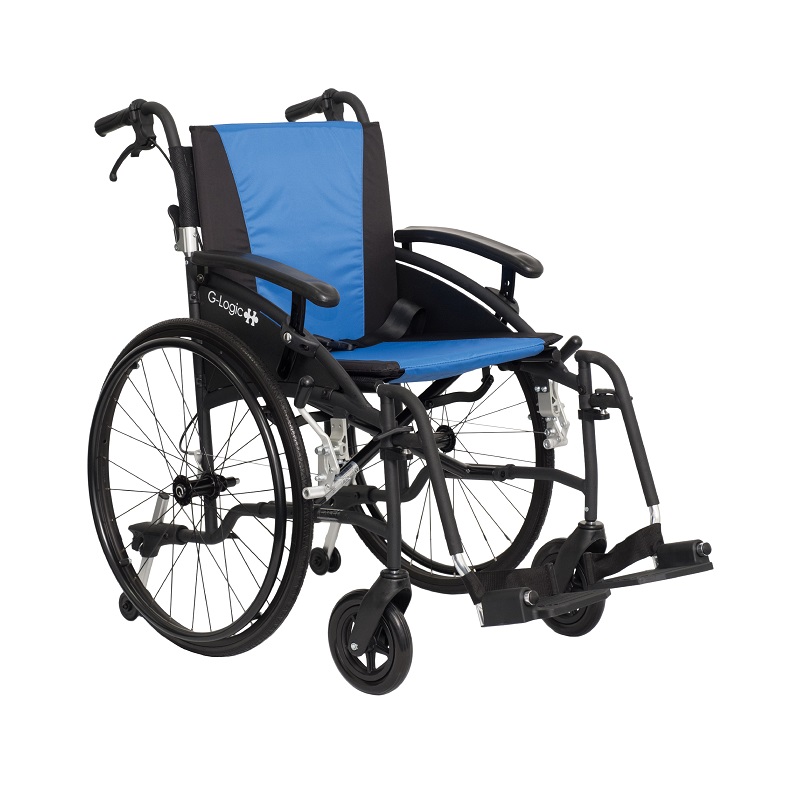
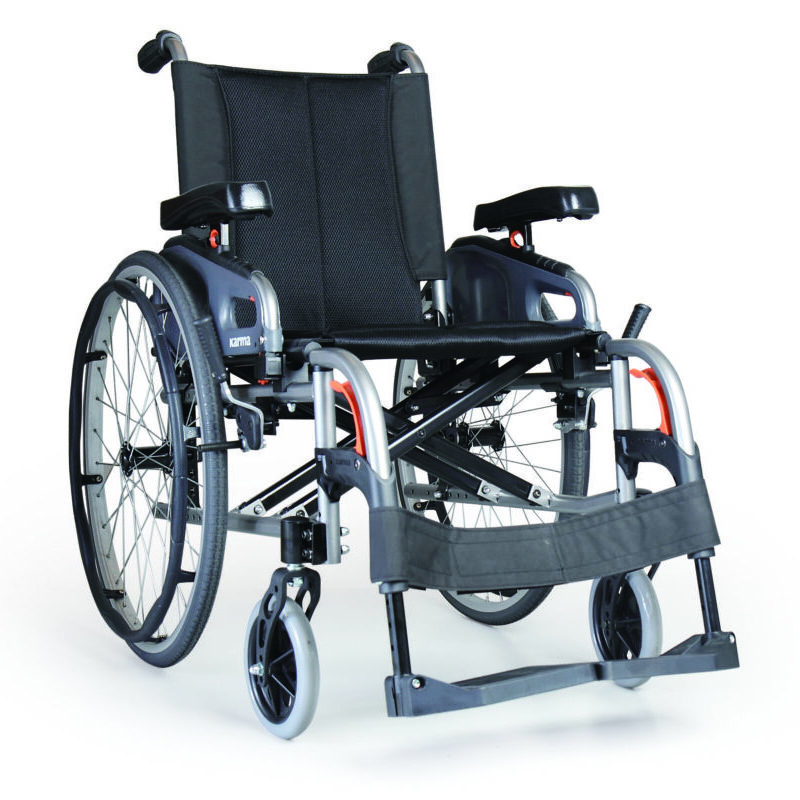
Guide to Buying a Wheelchair
Guide to Buying a Wheelchair Self-propel or Attendant-propelled/Transit There are 2 main types of manual wheelchairs available to suit...
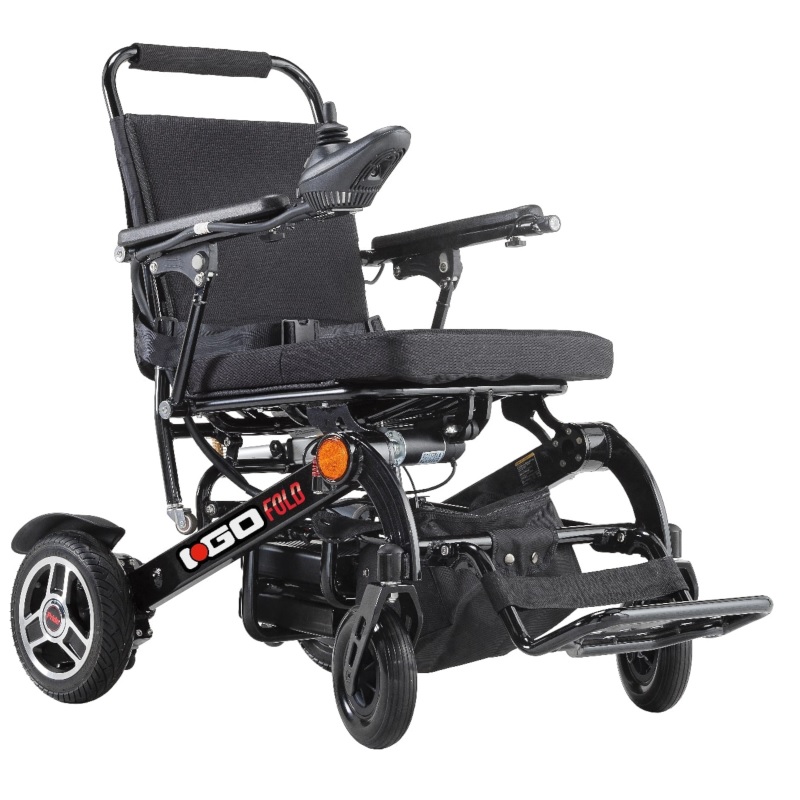
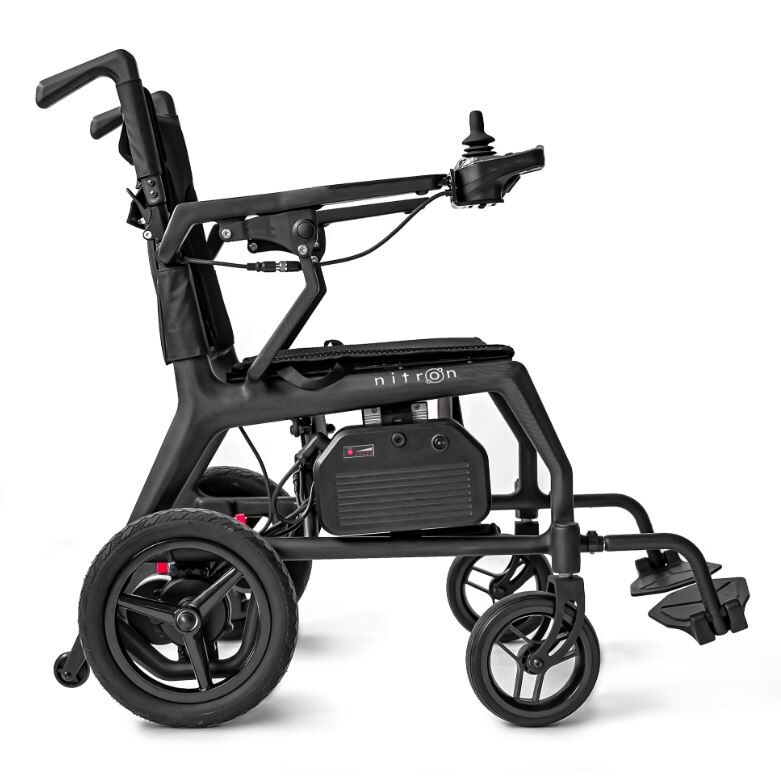
Guide to Buying a Power Chair
Guide to Buying a Power Chair When it comes to choosing powered wheelchairs, there are practical considerations that factor in the decision....
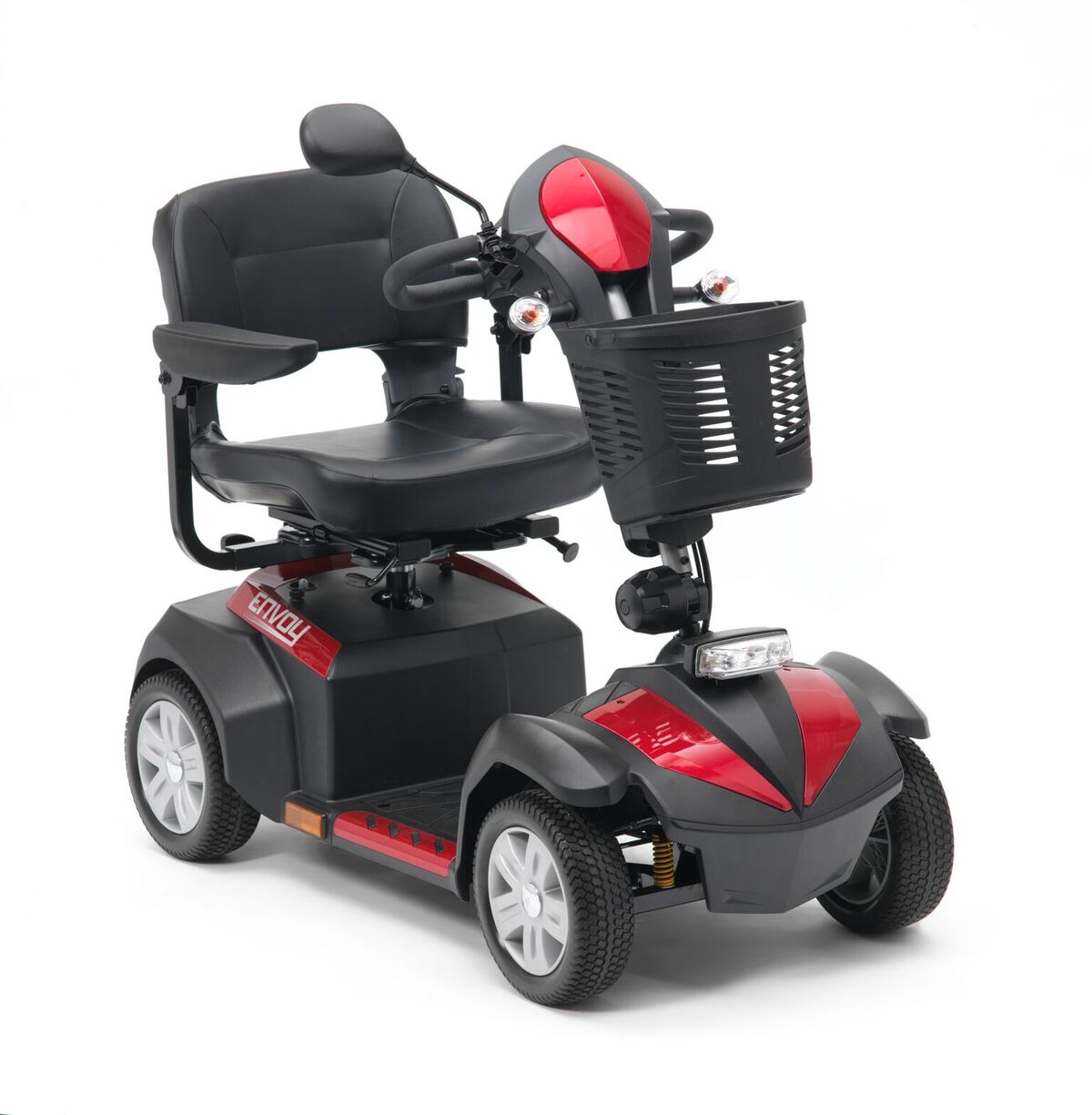
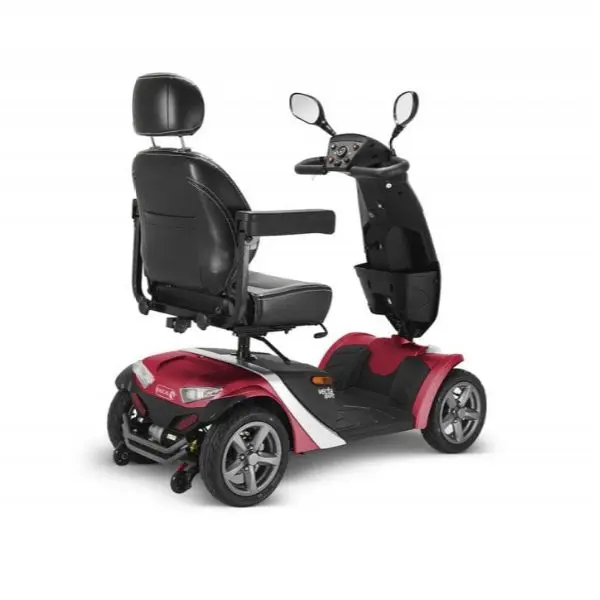
Guide to Buying a Mobility Scooter
Guide to Buying a Mobility Scooter We are always at hand to help, just call us on 0800 6123454 or email our sales...
Product Of The Month
Experience Freedom Like Never Before
AeroCarbon Electric Wheelchair – Ultra-Lightweight Carbon Fibre Powerchair
Discover the world’s lightest carbon-fiber folding electric wheelchair – the AeroCarbon Electric Wheelchair. Weighing just 12kg without the battery (13.5kg with battery), this revolutionary powerchair blends advanced carbon fibre technology with ultra-lightweight portability, making it the ideal solution for active users, travellers, and everyday convenience.
SALE
Day(s)
:
Hour(s)
:
Minute(s)
:
Second(s)

@ First Choice Mobility Ltd
Our Customers Say!